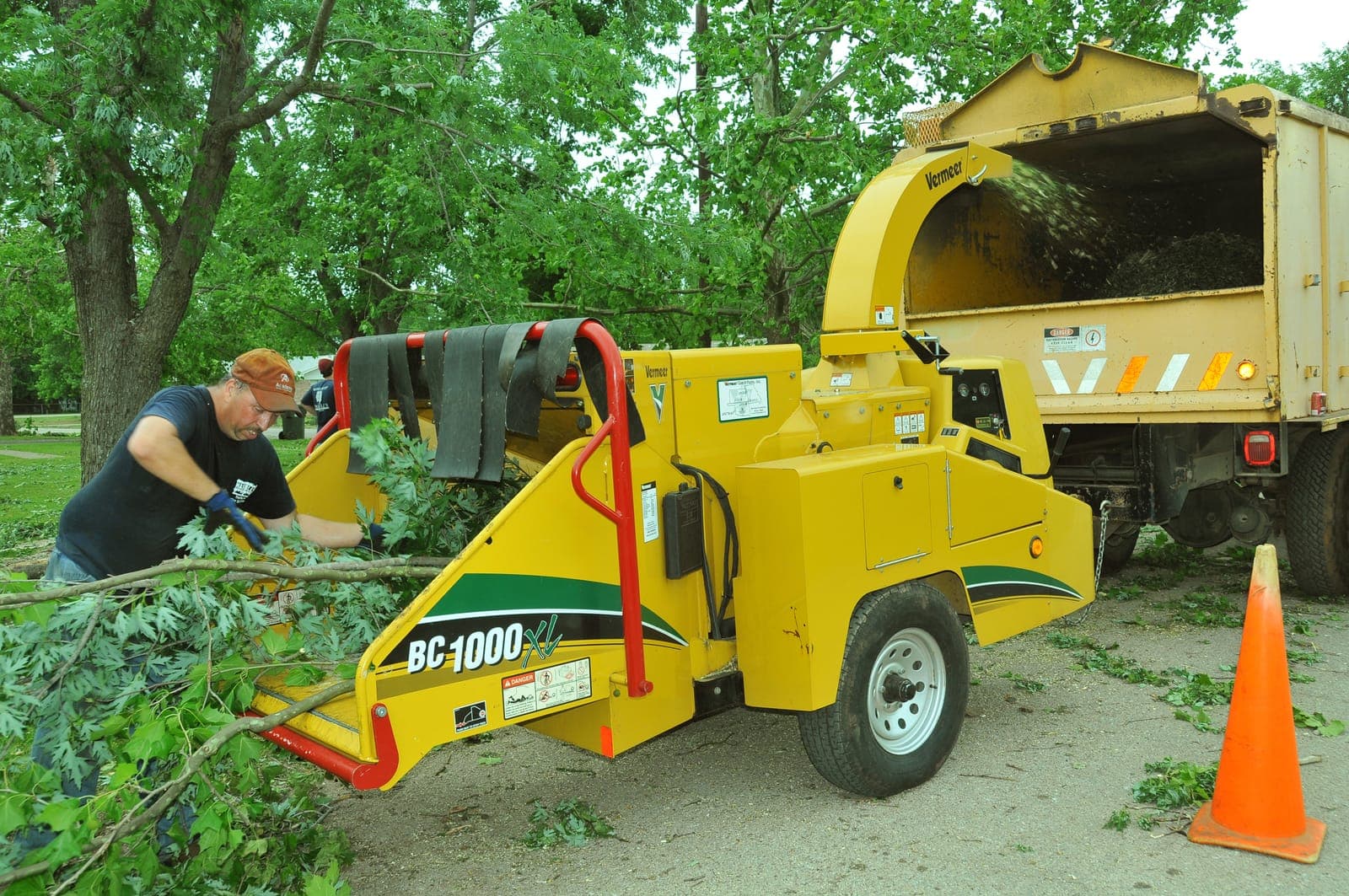
The day after a storm, the requests come in faster than any crew can drive to them. Voicemails, texts, messages on the Facebook page, a neighbor flagging down the truck. Every caller is worried, and to the person on the phone, every tree is an emergency.
Some of them are. Most aren't. The work in the first day or two is sorting one from the other quickly enough that the real emergencies get a crew first, and nobody else is left wondering whether you got their message.
Sort by What the Tree Is On
How upset the caller sounds tells you very little. What the tree is on, or hanging over, tells you nearly everything. A rough order:
On an occupied house, or blocking the only way out
Looks like: A trunk through the roof, a tree leaning on the house with people still inside, a driveway or road blocked so nobody can get in or out.
Next step: Same day if at all possible. If you can't get there, say so honestly so they can find someone who can.
Broken wood hanging over places people use
Looks like: A broken limb lodged in the canopy over a driveway, a deck or a sidewalk, or a tree with a fresh split leaning toward the house.
Next step: Tell them to keep people out from under it, and get there as soon as the first tier is handled.
Damage to property, nobody at risk
Looks like: A tree on a fence, a shed, a car, a carport. Annoying and expensive, but nothing is likely to get worse in the next few days.
Next step: Get photos, give them an honest time frame, and schedule it.
Wood on the ground, nothing at risk
Looks like: A limb or a whole tree down in the yard, clear of anything. Cleanup work.
Next step: Often quotable from photos. These are the jobs to fill the schedule with once the urgent ones are done.
A tree on a power line is the utility's first. Tell the customer to stay well away and call their electric company. Work near energized lines is restricted to qualified line-clearance crews, and nobody else should touch that tree until the utility has made the line safe. Put it on your list for after.
Five Questions That Sort Most Calls
You can ask these in under a minute on the phone, or put them in your missed-call text:
- Is anyone hurt? If yes, they should be calling 911, not you.
- Is the tree touching any wires, including the line to the house?
- Is it on the house, and has it broken through the roof?
- Is it blocking the driveway or the road?
- Is anything broken still hanging up in the tree?
Then ask for photos. For storm work the useful ones are a little different from a normal quote: the whole tree, the break itself, what it landed on, and the way in from the street. Ask them to take the photos before anyone starts cleaning up, and from a safe distance. Our guide to the photos to ask for before quoting has the full list and a text you can copy.
Run a tree care business?
Get the photos before you get in the truck
Get Early Access →Branded intake link · Pre-visit brief · Estimate to invoice
What Photos Settle, and What They Don't
With a few clear photos, a lot of storm work can be scheduled and often quoted without a site visit: wood on the ground in an open yard, a single broken limb, debris cleanup, a small tree on a fence. That frees the drive time for the jobs that need it.
Photos are much less reliable for anything still under load: a tree resting on a roof, trees pinned against each other, a trunk with a fresh split, a root plate that has lifted. Those need eyes on site before a firm number, and they're the ones where the photos matter most for a different reason: you show up already knowing what you're walking into.
Keep One List, and Answer Everyone
After a storm, requests arrive through five channels at once, and the ones that get lost are usually the ones that came in by text at 11pm. Put every request in one place, with the tier next to it, so the order you work them in is a decision rather than whatever you happen to remember.
And reply to everyone the same day, even if the answer is “we're booked until next week.” A customer with a tree on the lawn can usually wait. What they can't stand is not knowing whether anyone got their message, and that's the reason they call the next company on the list.
Where ArborScout Fits
ArborScout gives you one link to send to every storm caller. The customer is walked through the photos on their phone, with nothing to install, and tells you whether there's storm damage as part of the request. Every request lands on one job list with a pre-visit brief per tree, which flags things like root plate movement, power lines close enough to involve the utility, or a drop zone over the road, so you can sort the list before the first truck goes out. For how to sort requests the rest of the year, see how to pre-qualify tree service leads.
Frequently Asked Questions
How do you prioritize tree service calls after a storm?
What should you ask a customer who calls about storm damage?
Can storm damage be quoted from photos?
What do you do about a tree on a power line?
Run a tree care business?
Get the photos before you get in the truck
Get Early Access →Branded intake link · Pre-visit brief · Estimate to invoice
